

Spinal control.
Felt. Seen. Heard.
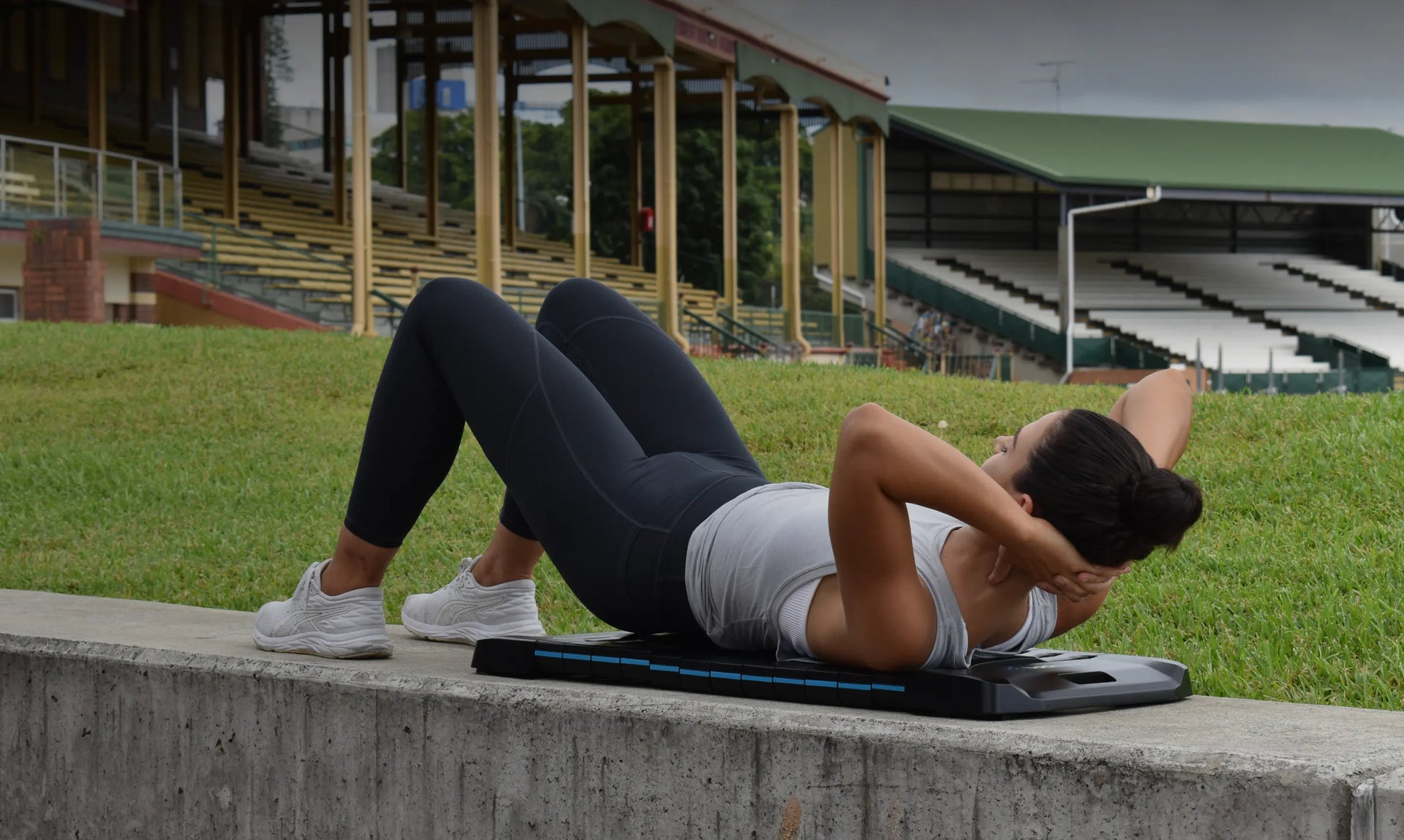
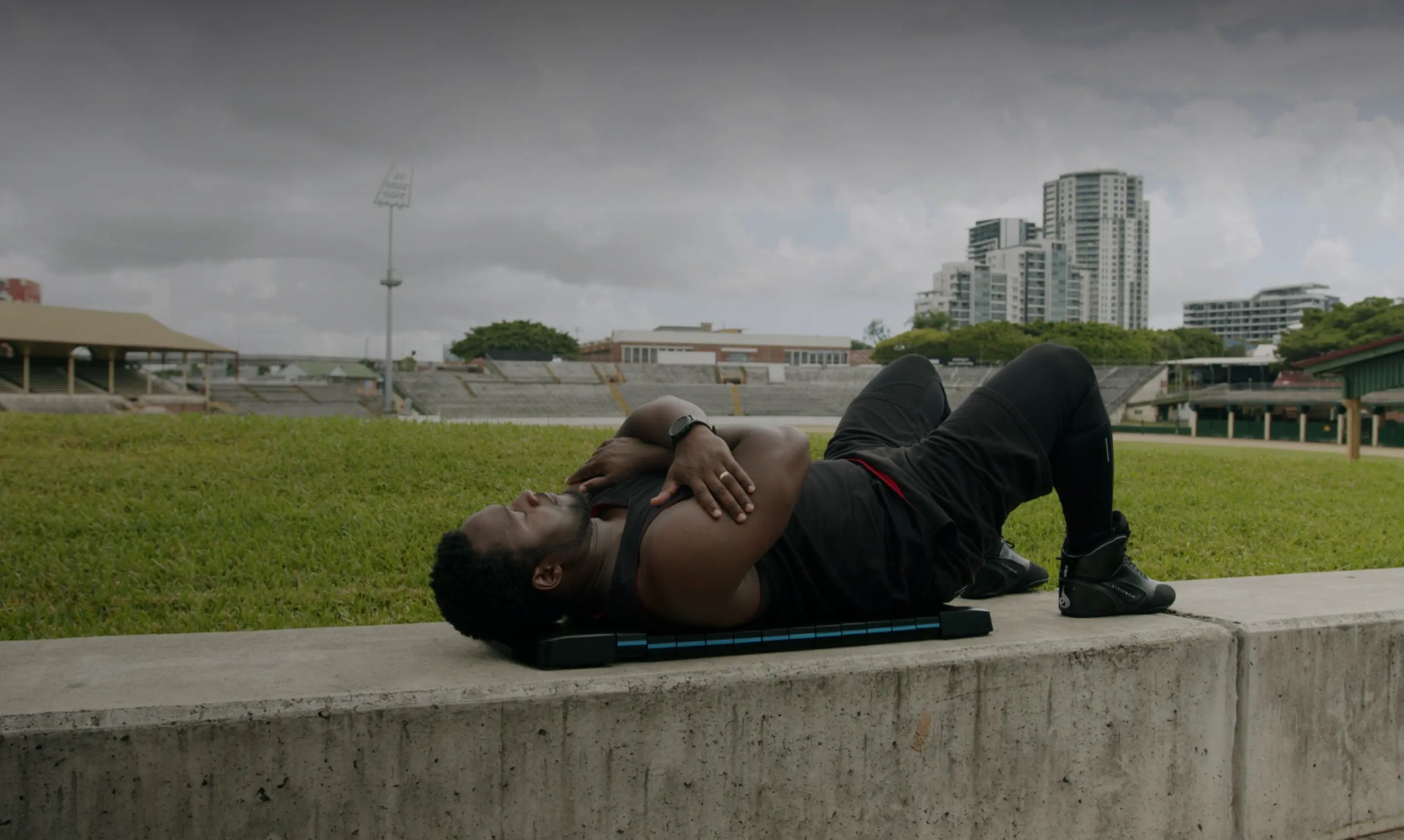
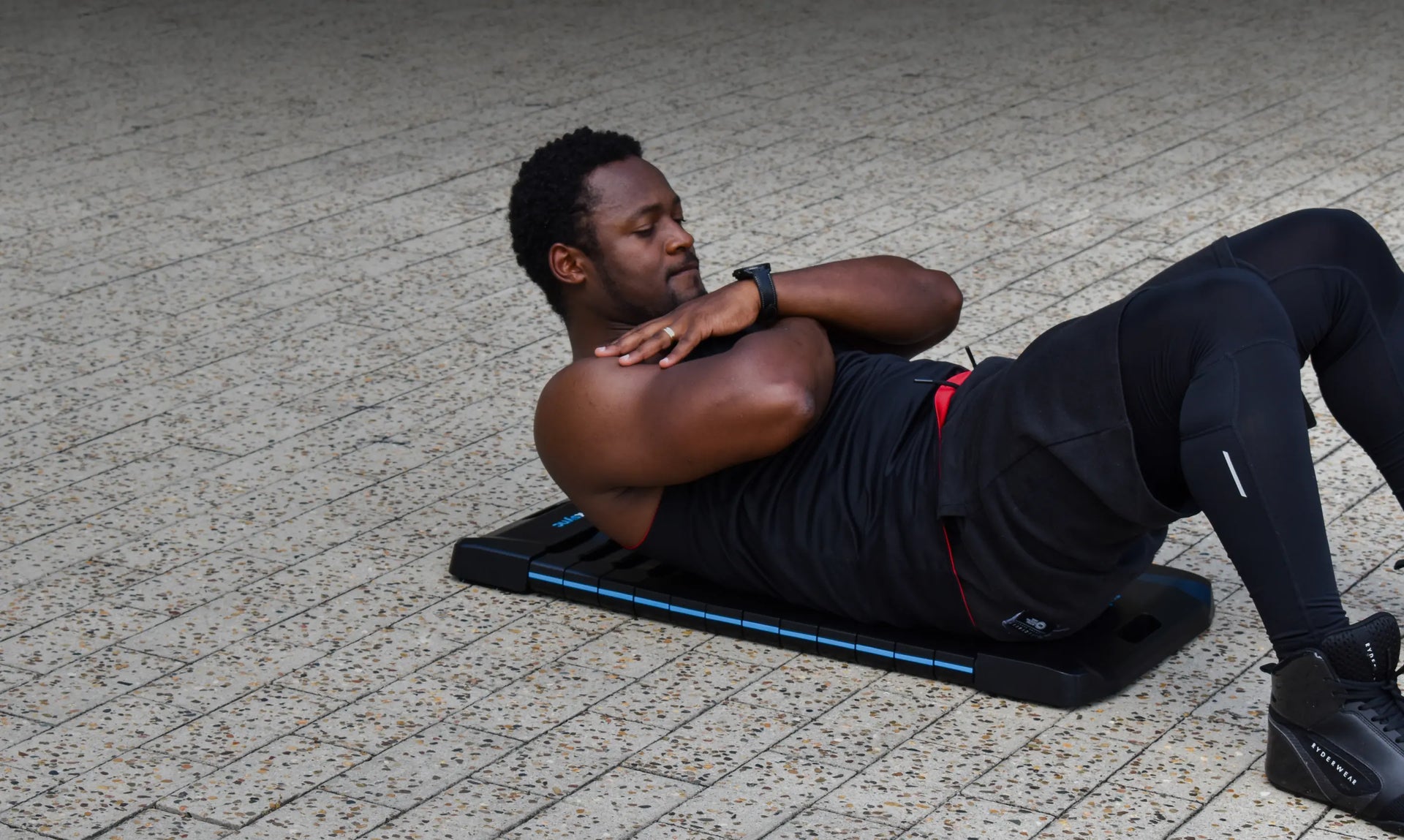
Roll through SEG-B one section at a time: feel the keys, listen for clicks and watch which keys move and in what order.
From the people who use it

The SEG-B from Backsync has become a staple in our morning prep … It's lightweight, intuitive, and easy enough to integrate into a daily routine … players aren't skipping it because it's cumbersome, they're doing it because it fits.

The SEG-B enables us to enhance our performance program with a tailored core and spinal loading program developed for each athlete which longer-term aims to reduce lumbar stress injuries that are common in our sport.
For practitioners
Built for people who teach movement. Physios, chiropractors, strength and conditioning coaches, and Pilates and movement studios get a control task they can set, cue and watch. Your client feels the keys and listens for clicks, and you both watch the blue line.
Buying for a clinic, gym or studio, or have a question first? Email info@backsync.com.
For individuals
Training on your own? Roll your spine up off the board and back down, one section at a time. Feel the ridged keys and listen for clicks. Live practice in the free Backsync app shows, key by key, whether your movement stays in sequence as you go. It’s launching on the App Store soon.
Have a question first?
Email info@backsync.com.
Meet SEG-B
A control challenge for your spine
Rolling your spine up and down one section at a time is harder than it sounds. It takes fine control. SEG-B makes that control visible: listen for clicks as you work through the movement, and watch the blue line show which keys are down, which are up, and the order they move in.

- Tactile feedbackthe ridged keys
- Visual feedbackthe blue line
- Auditory feedbackthe click
SEG-B turns spinal control into something you can feel, hear and see, so every rep is practice at moving your spine with precision.
Shop SEG-B®Research on the principle
SEG-B is a training and feedback tool, built on well-established principles of how the body moves, senses itself and adapts to training. The research below is about those principles, not about SEG-B.
Read the research summary
Control is a skill you can practice
Movements you can't easily see or feel are hard to practice. Research on other kinds of real-time feedback, such as ultrasound imaging, has found it can help people learn specific movement tasks. SEG-B gives you feedback you can feel, hear and see while you move. SEG-B itself has not yet been studied.
Awareness of how your back moves
Research on body awareness looks at how well people sense the position of their back. SEG-B is designed for practicing awareness of how your back moves on the board, section by section.
The Backsync app
Assess. Measure. Practise. Play. Manage.
Choose an exercise and see the order your SEG-B keys move.


Stills from the app release video. Screens representative; example data.
Launching on the App Store soon.
Free. For iPhone and iPad (iOS or iPadOS 18.2 or later), with a SEG-B board. Prototype performance feedback for movement training; not medical advice, diagnosis or treatment.
Your purchase protection
Shop SEG-B®12-month warranty
Covers manufacturing defects in materials and workmanship for 12 months from delivery.
30-day returns
Changed your mind? Return it unused and in its original packaging within 30 days of delivery for a full refund. You cover return postage.
Free US & Canada shipping
Standard delivery, no minimum order. We currently ship to the US and Canada only.